

Understanding the World
Understanding the World
Helping children make sense of their world
Understanding the World is about helping children make sense of their physical world, their community and the people around them.
At our federation, we follow the EYFS statutory framework and Development Matters guidance. We believe children learn best through first-hand experiences, talk, exploration and meaningful play.
Through carefully planned experiences and sensitive adult interaction, children:
-
explore natural and everyday materials
-
notice change and cause-and-effect
-
learn about plants, animals and growth
-
discover how things work
-
begin to understand families, communities and differences
-
develop curiosity, respect and care for the world
Listening to stories, non-fiction, rhymes and poems plays an important role in building children’s understanding of our culturally, socially, technologically and ecologically diverse world, while widening vocabulary that supports later learning.
Birth to Three: Exploring Through the Senses
Babies and toddlers begin to understand their world through movement, touch and repetition.
Children are supported to:
-
repeat actions and notice effects
-
explore materials with different textures and properties
-
investigate indoors and outdoors using all their senses
-
enjoy open-ended play with everyday objects
We provide rich sensory experiences including treasure baskets, water, sand, paint and playdough. Adults join children’s play, showing delight in their discoveries and encouraging exploration through gentle language and interaction.
Discovering Nature and the Environment
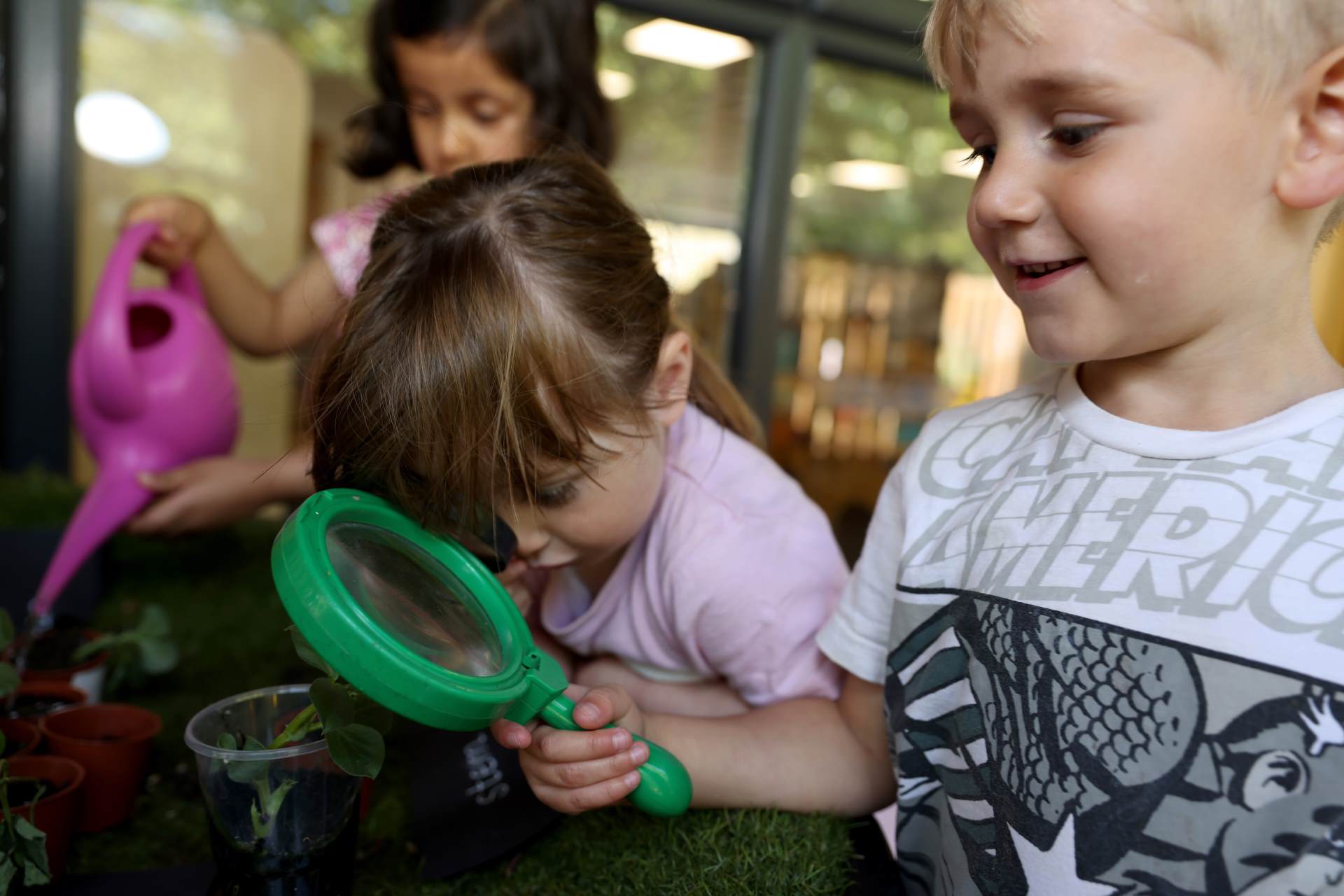
Children are encouraged to explore the natural world through real experiences such as:
-
splashing in puddles
-
walking through long grass
-
finding worms and minibeasts
-
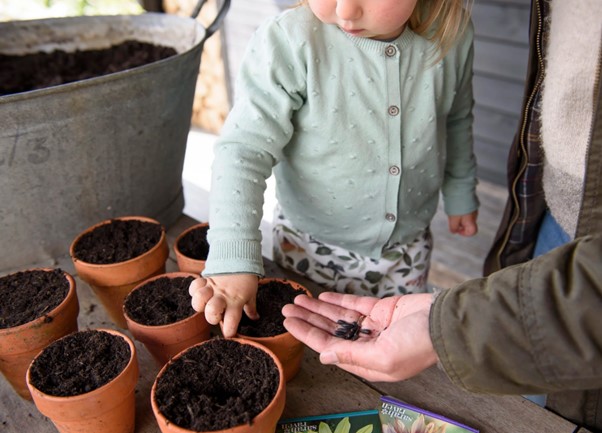
planting seeds and caring for growing plants
-
observing seasonal changes
Adults model curiosity and respect for living things, supporting children to handle creatures gently and care for plants they grow. Children learn about growth, change and decay, helping them develop early scientific understanding and responsibility for the environment.
Three and Four Year Olds: Investigating, Questioning and Talking
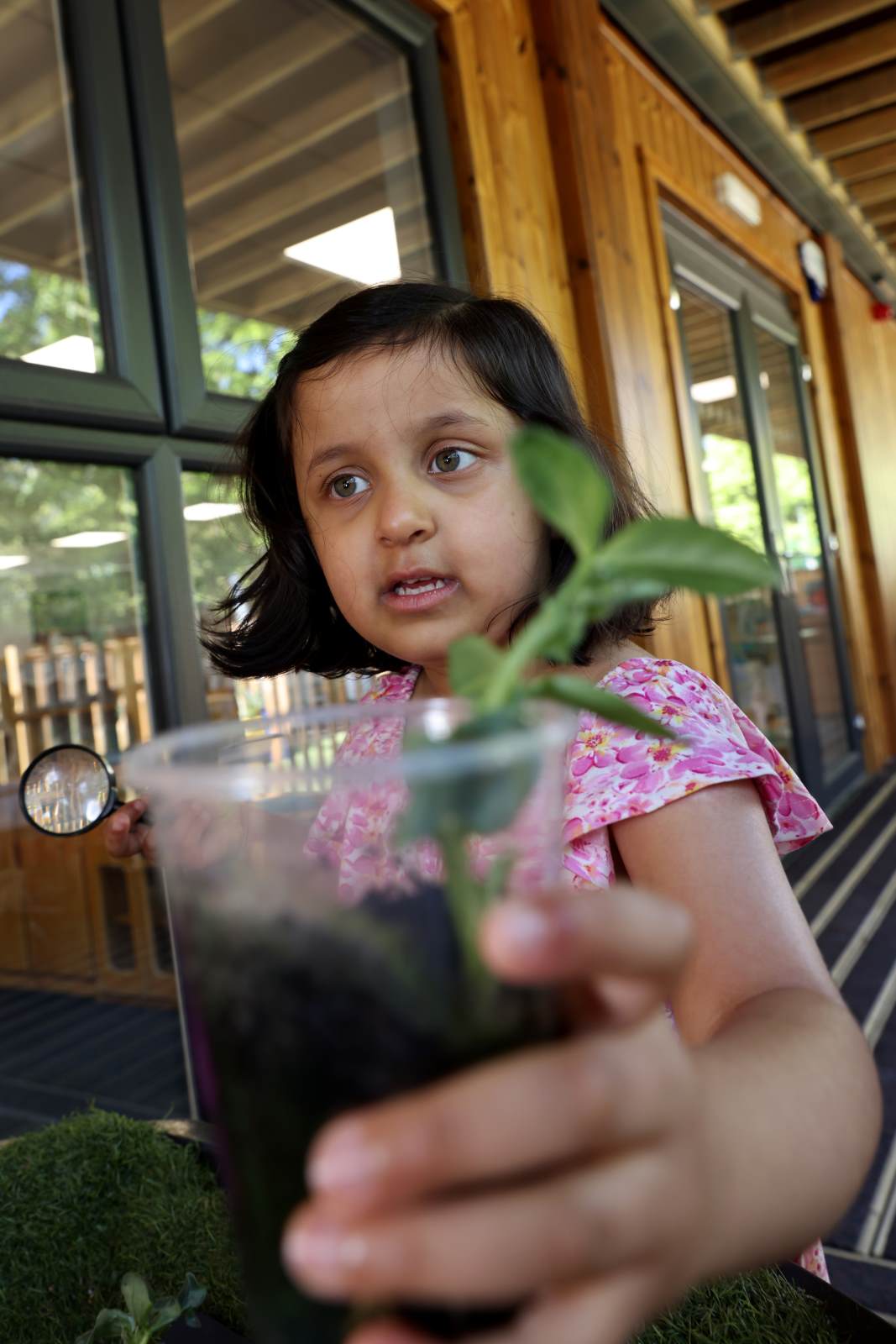
As children grow, they begin to:
-
use all their senses to explore materials
-
compare and sort natural objects
-
talk about what they see using increasingly rich vocabulary
-
ask questions and make observations
We provide collections of leaves, shells, bark, seeds and stones, along with tools such as magnifying glasses. Adults model investigative language (“I wonder if…”) and introduce new vocabulary to help children explain their ideas and findings.
Children also begin to make sense of their own life stories by sharing photos, memories and family experiences.
People, Communities and Celebrating Difference
Children learn that families and communities may look different, while also sharing many similarities.
We support children to:
-
notice and value differences between people
-
talk positively about appearance, culture and beliefs
-
learn each other’s names
-
explore diverse books, dolls and play resources
-
celebrate cultural and community events
Adults model respectful language and attitudes, helping children develop kindness, empathy and acceptance from an early age.
Children also explore different occupations through visitors, role play and stories, learning about the people who help us in our community.
How Things Work
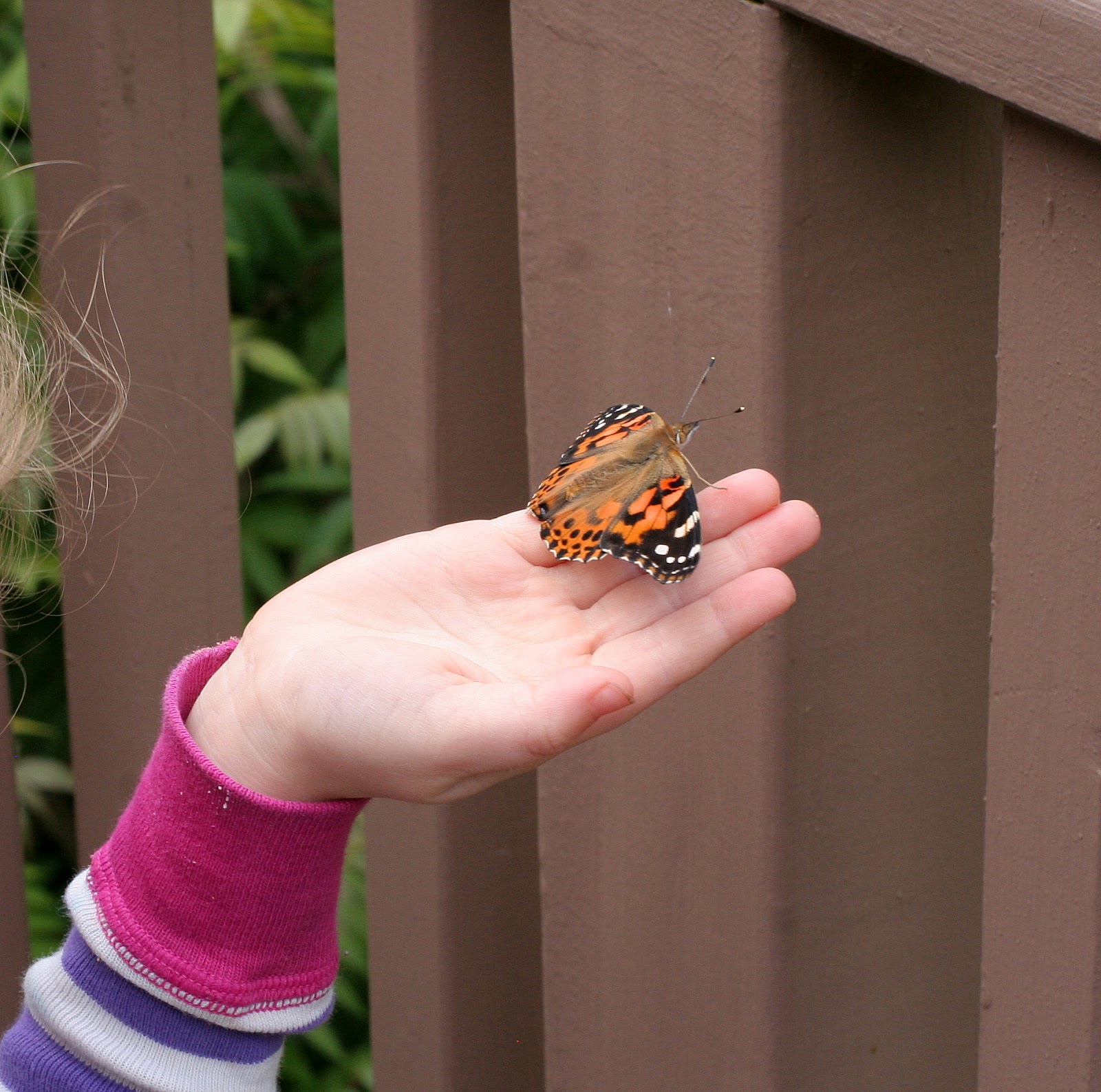
Children investigate cause and effect through:
-
mechanical toys and construction
-
planting and observing life cycles
-
cooking and changing materials
-
floating and sinking
-
light and shadow
-
magnets and forces
These experiences help children understand basic scientific ideas while building language and problem-solving skills.
Learning Through Play, Talk and Real Experiences
Understanding the World is woven throughout the day.
Children learn through:
-
outdoor exploration
-
imaginative play
-
stories and discussions
-
caring for plants and animals
-
real-life routines
Adults extend learning by asking open questions, introducing new vocabulary and encouraging children to explain what they notice.
Assessment and Support
Assessment is ongoing and based on observation, interaction and professional judgement.
Practitioners use Development Matters progression and Evidence Me to track learning and identify next steps. Parent contributions are valued, and learning is shared regularly.
We prioritise adult interaction over paperwork, ensuring children receive high-quality support, especially those who need it most.
Our Aim
By the time children leave Nursery, they are developing:
✔ curiosity about the world
✔ respect for living things
✔ confidence to explore and ask questions
✔ growing vocabulary
✔ early scientific understanding
✔ positive attitudes towards difference
We believe that rich early experiences help children become thoughtful, curious and confident learners, ready for Reception and beyond.