

Early Reading and Phonics
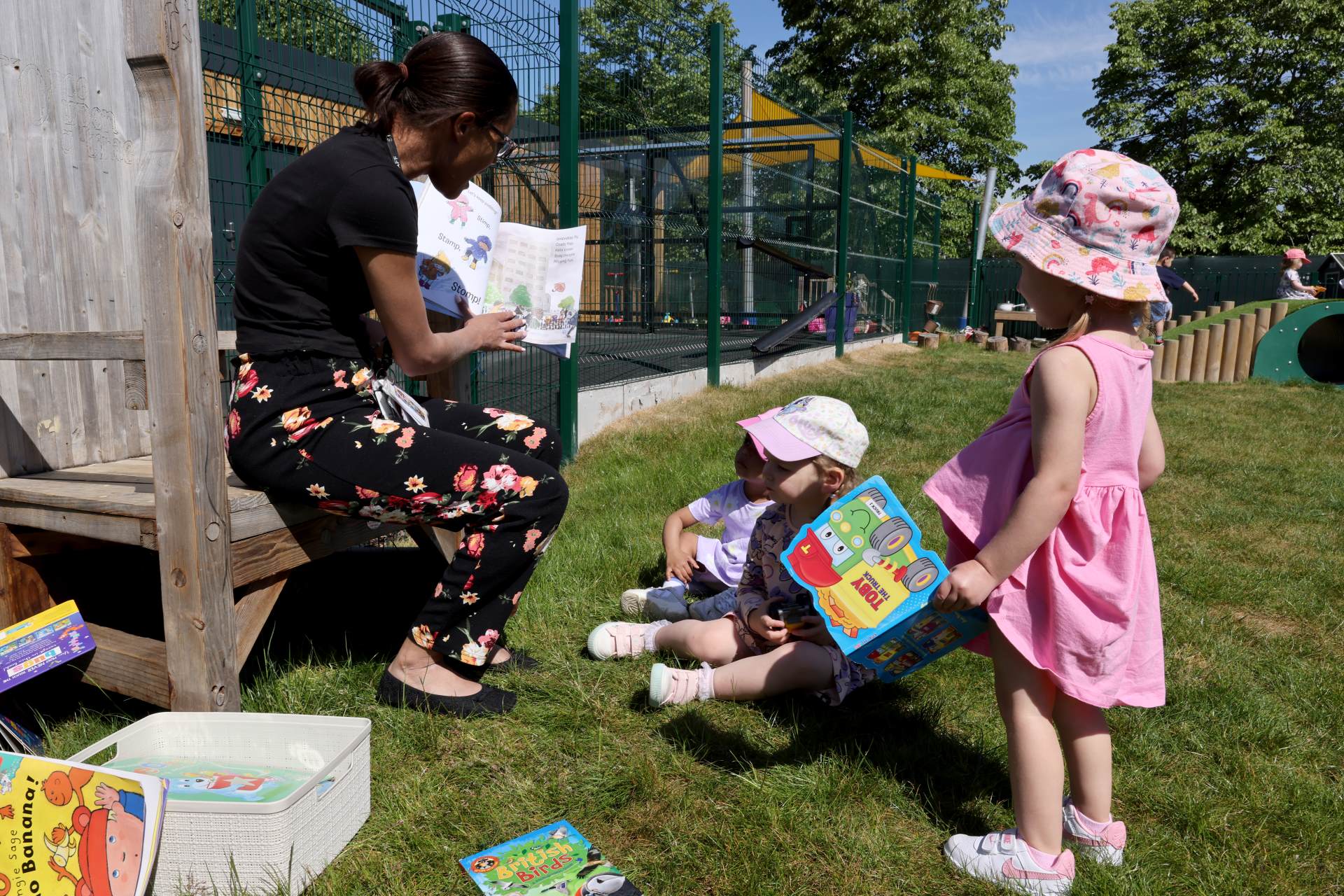
At our Nursery, we believe that a love of reading begins long before children can read words.
From birth, children learn through listening, watching, talking and sharing stories. These early experiences help children develop communication skills, imagination and emotional understanding- giving them a voice and helping them make sense of the world around them.
We aim to nurture confident communicators and enthusiastic learners who enjoy books, stories and sounds, building strong foundations for later reading.
The Nature of Early Reading
Early reading is about much more than recognising letters.
It begins with:
-
Listening to stories
-
Talking about pictures
-
Joining in with rhymes and songs
-
Hearing environmental sounds
-
Sharing books with adults
-
Exploring language through play
These experiences help children develop:
-
Attention and listening
-
Vocabulary and understanding
-
Confidence in communication
-
Curiosity and imagination
Through stories, children are introduced to new ideas, characters and worlds beyond their own experience. Reading supports children’s emotional, social and intellectual development and helps them build empathy and understanding of others.
Our Intent
We are passionate about supporting early communication, phonics and reading readiness from birth.
Our aim is to:
-
Foster a lifelong love of books and stories
-
Build rich spoken language and vocabulary
-
Develop listening and attention skills
-
Help children feel confident and capable as early readers
-
Ensure every child is supported at their own pace
We recognise that children arrive with different experiences of books and language. Our role is to provide a warm, language-rich environment where every child can thrive.
How We Teach Phonics & Early Reading in Nursery
Phonics at Nursery is playful, practical and rooted in communication.
👶 Babies & Toddlers
Children begin by:
-
Listening to familiar voices and stories
-
Exploring books through touch and play
-
Hearing songs and nursery rhymes
-
Tuning into everyday sounds
Adults model language, repeat words and share books daily, helping children feel secure and engaged.
🧒 Toddlers & Preschool
As children grow, we focus on developing sound awareness through:
-
Environmental sounds
-
Instrument sounds
-
Body percussion
-
Rhythm and rhyme
-
Voice sounds
Children learn to listen carefully, copy sounds and join in with songs and rhymes.
This leads into early phonics skills such as:
-
Oral blending (hearing sounds and putting them together)
-
Oral segmenting (breaking words into sounds)
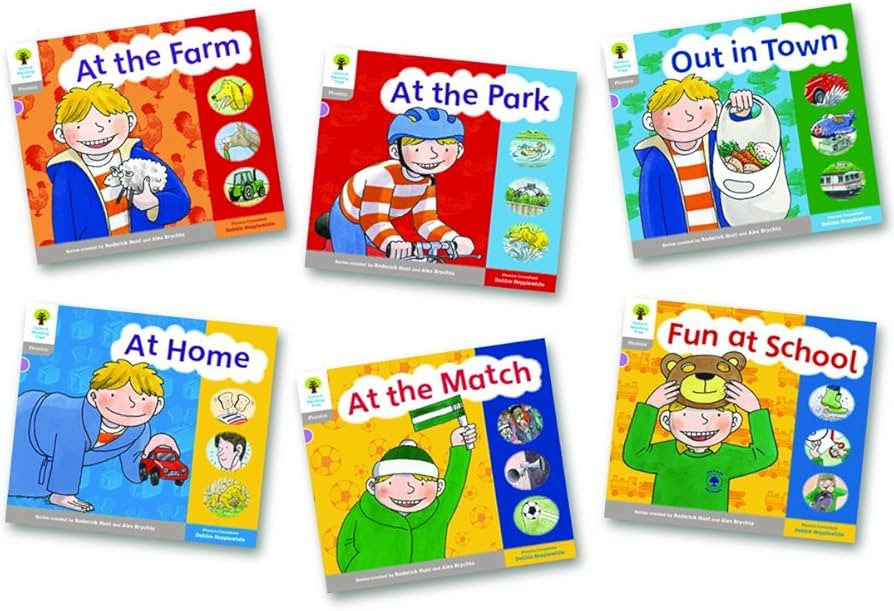
In Preschool, we introduce Floppy’s Phonics Level 1, where children:
-
Get to know the characters from The Oxford Reading Tree Scheme
-
Talk about pictures to develop comprehension
-
Retell stories in their own words
-
Begin to feel like readers
-
Explore sounds interactively through books and digital resources
This approach supports language development while gently introducing early phonics in an engaging, child-friendly way.
Find out more about Oxford reading Tree by clicking on the tab: Parents Guide
Oxford Owl Learning at Home
The Oxford Owl Learning at Home – Ages 3–4 page provides a range of supportive resources, activities and advice for parents of nursery-aged children. It includes ideas for fun, play-based learning, information about what to expect in the early years, tips for supporting early reading and maths skills, and guidance on preparing for starting school. The page also links to helpful tools like early reading suggestions, phonics support, playful activities, and podcasts for parents, all designed to help young children enjoy books, build communication skills and develop confidence through language-rich experiences at home. Oxford Owl Learning at Home – Ages 3–4
Learning About Letters
Letters and sounds are introduced only when children are developmentally ready, and always in a playful, meaningful way. This might include:
-
Spotting letters in their name
-
Talking about sounds in stories
-
Exploring letter shapes through movement and play
-
Using magnetic letters or mark making